

Bioremodelling vs Skin Boosters: What’s the Difference?
February 16, 2026
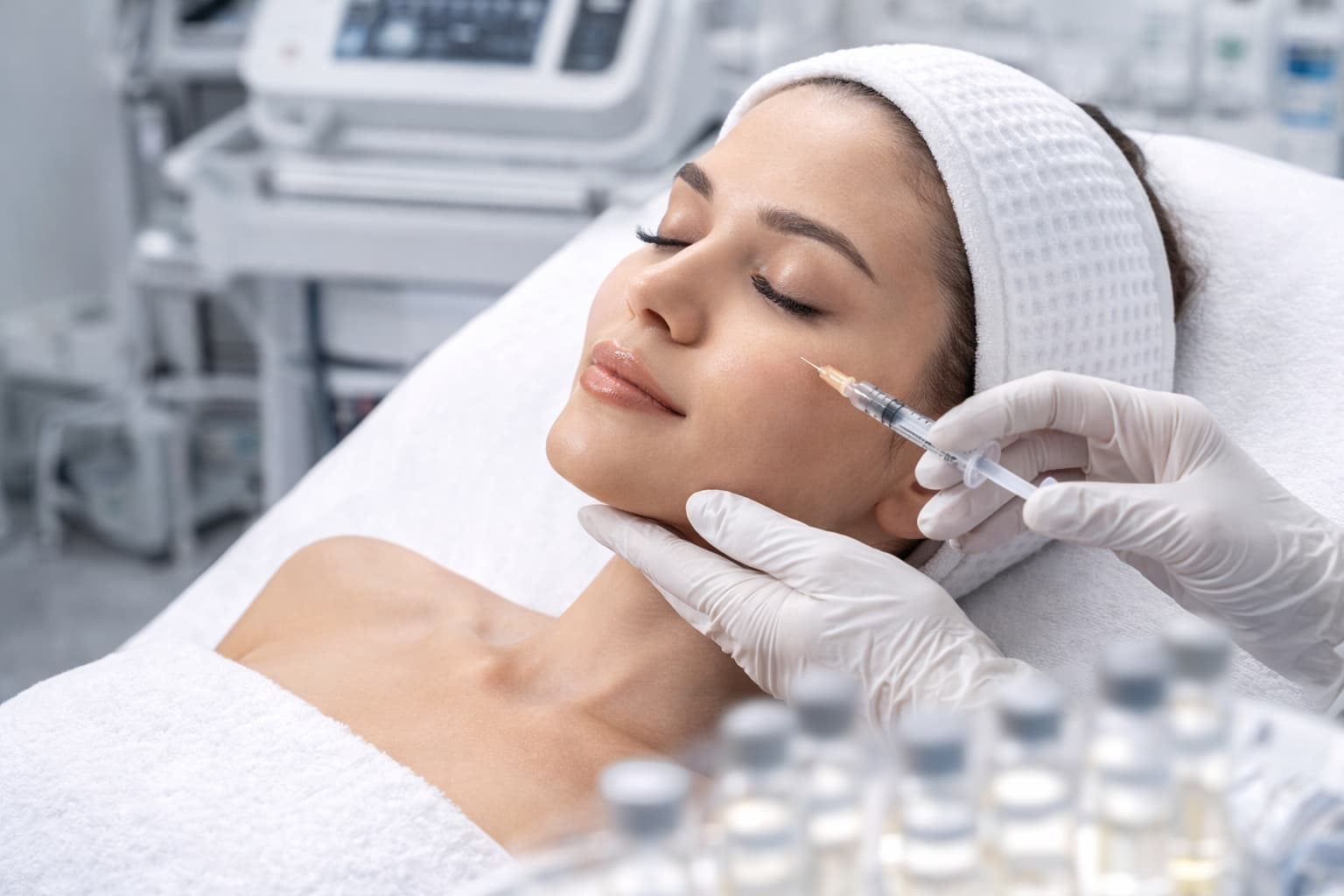
Bioremodelling and skin boosters are both treatments designed to improve skin quality, hydration, and overall skin texture rather than dramatically changing facial shape. While they may appear similar, they work in different ways and are often chosen for different skin concerns. Many people exploring treatments like skin boosters want to understand how these options compare before deciding which may be more suitable.
Key Takeaways
- Bioremodelling and skin boosters both focus on improving skin quality rather than adding volume.
- Skin boosters primarily support hydration and smoother skin texture.
- Bioremodelling is often used to support elasticity and overall skin structure.
- Both treatments are commonly used as part of long term skin maintenance plans.
- Suitability depends on your skin condition, treatment goals, and consultation assessment.
What Are Skin Boosters?
Skin boosters are injectable treatments designed to improve hydration and skin quality. They typically use hyaluronic acid to attract moisture into the skin, which can help improve smoothness, glow, and overall skin texture.
Rather than changing facial structure, skin boosters focus on enhancing the condition of the skin itself. Many people choose them to address concerns such as dull skin, fine lines caused by dehydration, or uneven texture.
Because they support hydration and skin health, skin boosters are often included in longer term skin maintenance plans or collagen banking approaches.
What Is Bioremodelling?
Bioremodelling is another treatment designed to improve skin quality, but it works differently from traditional skin boosters.
Instead of focusing primarily on hydration, bioremodelling is designed to spread beneath the skin and support overall skin elasticity and firmness. It is often used for areas where the skin may appear crepey, less elastic, or slightly lax.
The goal is to support the skin’s structure and stimulate processes associated with collagen and elastin support over time.
How Bioremodelling and Skin Boosters Differ
Although both treatments aim to improve skin quality, they are generally chosen for different reasons.
Skin boosters are usually selected when hydration and skin texture are the main concerns. They help the skin appear smoother and more refreshed by improving moisture levels within the skin.
Bioremodelling is often considered when the skin is starting to lose elasticity or firmness. In these cases, the treatment may help support skin structure and improve the overall appearance of the skin.
Because they work differently, the two treatments are sometimes used together within a broader skin rejuvenation plan.
Which Treatment Is Better for Skin Ageing?
There is no single treatment that is “better” for everyone. The most suitable option depends on your skin condition and what you want to improve.
For example:
- Someone experiencing dehydration and dullness may benefit more from skin boosters.
- Someone noticing reduced skin elasticity may be recommended bioremodelling.
- Some people benefit from combining both approaches.
Understanding how collagen and skin structure change with age can also help guide treatment decisions. You can learn more about this in our guide to how collagen loss changes in your 20s, 30s, and 40s.
How These Treatments Fit Into Collagen Banking
Both bioremodelling and skin boosters are commonly included in long term skin maintenance strategies sometimes referred to as collagen banking.
Collagen banking focuses on supporting skin quality and collagen over time rather than waiting for more advanced signs of ageing to appear.
Many people begin exploring this approach when they start noticing early changes in skin texture or firmness. You can read more about timing in our guide on when to start collagen banking.
What Happens During Treatment?
Both treatments typically involve a series of small injections placed strategically into the skin.
Appointments are generally quick, and many people experience minimal disruption to their normal routine. Temporary redness or mild swelling can occur after treatment, but these effects usually settle within a short period.
Your clinician will explain the process, discuss realistic expectations, and determine which treatment is suitable during consultation.
Can These Treatments Be Combined With Other Skin Treatments?
Yes. Many skin rejuvenation plans combine treatments depending on the concerns being addressed.
For example, treatments that stimulate collagen production may be used alongside skin quality treatments. Procedures such as skin needling are often part of broader treatment plans designed to support skin texture, collagen renewal, and long term skin health.
The best combination depends on your individual skin assessment.
Choosing the Right Skin Quality Treatment
Bioremodelling and skin boosters both focus on improving skin quality, but they support the skin in different ways.
Skin boosters typically prioritise hydration and smoother skin texture, while bioremodelling may be recommended to support elasticity and overall skin structure.
If you are unsure which treatment may suit your skin, a personalised consultation is the best place to start. You can learn more about treatment options or speak with the team at uSkin Clinics to explore what may be appropriate for your skin goals.




Similar Posts
Exosomes for Skin Rejuvenation: Who Are They Suitable For?

If you are exploring newer regenerative aesthetic treatments, you may have come across exosomes for…
Bioremodelling vs Skin Boosters: What’s the Difference?
Bioremodelling and skin boosters are both treatments designed to improve skin quality, hydration, and overall…
How Collagen Loss Changes in Your 20s, 30s, and 40s

Collagen loss does not happen overnight. It’s a gradual process that starts earlier than most…

Exosomes for Skin Rejuvenation: Who Are They Suitable For?
If you are exploring newer regenerative aesthetic treatments, you may have…

How Collagen Loss Changes in Your 20s, 30s, and 40s
Collagen loss does not happen overnight. It’s a gradual process that…
When Should You Start Collagen Banking?
If you’re thinking about collagen banking in Melbourne, the real question…

Leave a Reply
You must be logged in to post a comment.