

Deep Smile Lines: What Are They and Can They Be Treated?
December 9, 2025

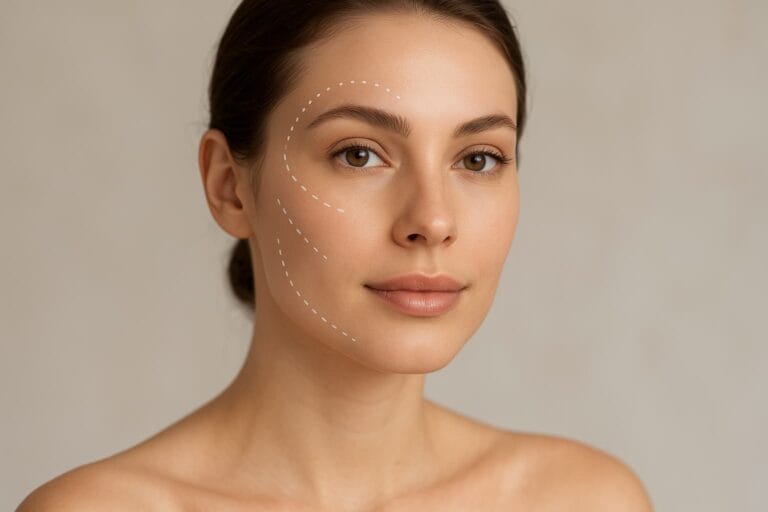
Deep smile lines, also known as nasolabial folds, are the creases that run from the sides of the nose down toward the corners of the mouth. These lines become more noticeable as the cheeks lose volume with age, which is why many people seek treatment to restore a smoother, refreshed appearance.
Key Takeaways
- Nasolabial folds form naturally and deepen with age, volume loss and repeated facial movement.
- Not all smile lines respond the same way to wrinkle-relaxing injections.
- Mid-face volume loss is a major contributor, making dermal fillers a common option to support the area.
- Volume restoration in the cheeks may also improve jowls, marionette lines, tear troughs and accordion lines.
- Suitability varies, and treatment choice depends on your facial structure and individual goals.
What Causes Deep Smile Lines?
Nasolabial folds appear in everyone, but they deepen over time due to a combination of structural and lifestyle factors.
The most significant driver is mid-face volume loss. Under the skin are multiple fat pads that provide youthful contour. As these pads diminish, the cheeks can droop slightly, creating more visible folds along the lower face.
Repeated facial movement, genetics, sun exposure and skin changes can all make these lines more noticeable.
Wrinkle Relaxers and Smile Lines: When Do They Help?
Wrinkle-relaxing injections can soften expression lines by reducing the movement that creates creasing in the skin.
In some cases, this helps reduce the appearance of superficial smile lines.
However, deeper nasolabial folds are usually not caused by muscle activity alone, so wrinkle relaxers may not be the most suitable standalone option. When the primary issue is volume loss rather than muscle contraction, other treatment options may offer a more natural result.
For broader context on how these injections work, you can explore our educational article on anti wrinkle injections.
Why Volume Loss Matters in Mid-Face Ageing
One of the biggest contributors to the deepening of nasolabial folds is the gradual loss of fat pads in the mid-face.
When the cheeks flatten or descend, the fold beside the nose becomes more prominent, even if your skin is otherwise healthy.
Replacing this lost volume can support the cheeks, which in turn reduces the shadowing and depth of the line below.
This concept is often called mid-face volume restoration.
Benefits of improving mid-face volume may include visible changes to:
- Cheek contour
- Tear troughs
- Crow’s feet
- Nasolabial folds
- Marionette lines
- Early jowl formation
- Accordion lines
While individual outcomes vary, volume restoration can help create a more refreshed and well-supported facial structure.
Treatment Options for Nasolabial Folds
There are three general approaches to improving deep smile lines. They vary in technique, longevity and recovery needs.
1. Surgical correction
This is the most invasive option. Surgery offers the most dramatic and long-lasting change but involves downtime and is typically reserved for more advanced ageing.
2. Dermal fillers for volume support
This is the most common option for age-related nasolabial folds.
Dermal fillers are designed to mimic naturally occurring hyaluronic acid in the skin and help restore lost volume. Because hyaluronic acid attracts and holds moisture, it can also support hydration and improve the overall texture of the skin.
3. Wrinkle relaxers for movement-related lines
In cases where dynamic expression contributes to the appearance of smile lines, muscle-relaxing injections may soften creasing.
However, for deep folds, they are usually used alongside volume-based treatments rather than as a standalone solution.
How Long Do Results Last?
The longevity of improvement depends on the treatment used, the degree of volume loss and individual anatomy.
Your clinician will assess your facial structure and provide guidance tailored to your goals and suitability.
Conclusion and Next Steps
Deep smile lines are a normal part of ageing, but if they bother you, a personalised assessment can help you understand the most suitable options. By evaluating your mid-face volume, skin condition and facial movement patterns, your clinician can recommend an approach that supports a refreshed, natural look.
If you would like personalised advice or want to explore your options, you can book a consultation below.
Book a Consultation
Book an appointment with our Cosmetic Nurse Specialist on 9370 1997 to discuss how dermal fillers can help you.




Similar Posts
Exosomes for Skin Rejuvenation: Who Are They Suitable For?

If you are exploring newer regenerative aesthetic treatments, you may have come across exosomes for…
Bioremodelling vs Skin Boosters: What’s the Difference?

Bioremodelling and skin boosters are both treatments designed to improve skin quality, hydration, and overall…
How Collagen Loss Changes in Your 20s, 30s, and 40s

Collagen loss does not happen overnight. It’s a gradual process that starts earlier than most…

Exosomes for Skin Rejuvenation: Who Are They Suitable For?
If you are exploring newer regenerative aesthetic treatments, you may have…

Bioremodelling vs Skin Boosters: What’s the Difference?
Bioremodelling and skin boosters are both treatments designed to improve skin…

How Collagen Loss Changes in Your 20s, 30s, and 40s
Collagen loss does not happen overnight. It’s a gradual process that…

Leave a Reply
You must be logged in to post a comment.