

When Should You Start Collagen Banking?
February 2, 2026
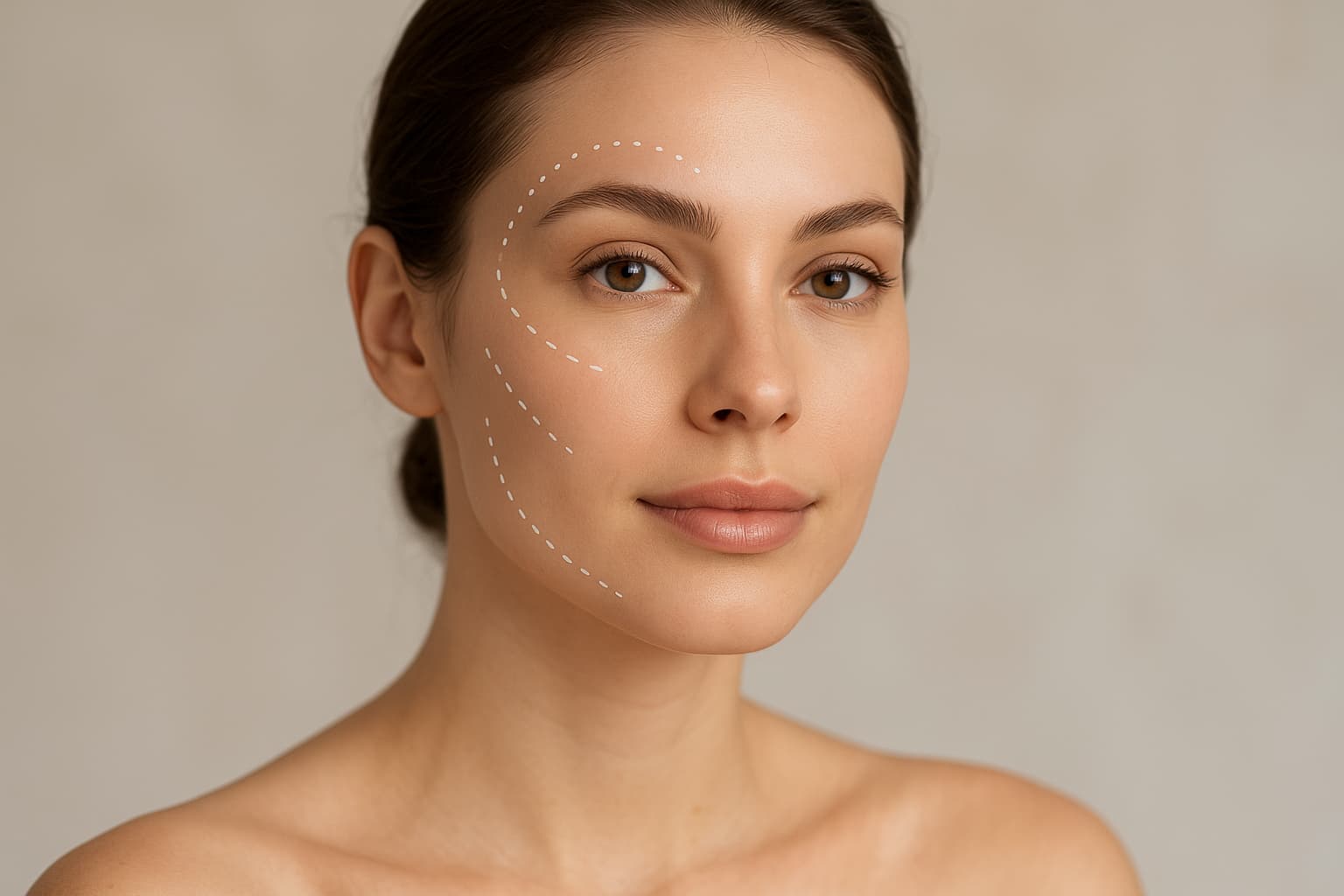
If you’re thinking about collagen banking in Melbourne, the real question usually isn’t your age. It’s whether your skin is starting to change in ways that suggest it may benefit from a long-term, maintenance-based approach rather than reactive treatments later on.
Collagen banking focuses on supporting skin quality gradually, often using treatments such as Skin Boosters, skin needling, or other collagen-supporting options as part of a personalised plan, rather than a one-off fix.
Key Takeaways
- Collagen banking is about long-term skin maintenance, not instant results.
- Many people consider starting when early changes in texture, firmness, or glow appear.
- Skin condition and lifestyle matter more than age alone.
- Treatments work gradually and require consistency.
- A consultation is essential to assess suitability and set realistic expectations.
What Collagen Banking Actually Means
Collagen banking is a term used in aesthetics to describe supporting your skin’s collagen over time, ideally before more significant ageing changes develop.
Rather than waiting for deeper lines or loss of firmness, this approach focuses on:
- maintaining skin structure
- supporting elasticity and firmness
- improving texture and overall skin quality
- creating a sustainable, long-term plan
It aligns closely with the shift toward “great skin” and skin longevity, rather than dramatic cosmetic changes.
Why Timing Matters More Than Age
Many people ask, “What age should I start collagen banking?”
In reality, there’s no universal age because collagen decline looks different for everyone. Genetics, sun exposure, lifestyle, skincare habits, and stress all play a role.
If you want a deeper breakdown of how collagen changes across decades, this is covered in detail in our guide on collagen loss by age. When it comes to deciding when to act, readiness signals tend to be more useful than a number.
Signs You Might Be Ready to Start Collagen Banking
You don’t need obvious wrinkles to consider collagen banking.
People often start exploring it when they notice:
- skin feels less firm than it used to
- fine lines linger longer
- makeup settles differently, especially around the eyes or mouth
- texture feels uneven
- pores appear more visible
- dullness despite good skincare
- pigmentation or sun damage becoming more noticeable
- acne scarring looking more prominent over time
These changes often indicate shifts in skin structure and collagen support, rather than just surface concerns.
Typical Stages When People Start Collagen Banking
While age is not the deciding factor, patterns do emerge.
Late 20s to Early 30s: Preventative Thinking
At this stage, collagen production is still relatively strong, but subtle changes can appear. People often explore collagen banking here because they want to support skin longevity early and maintain good skin quality over time.
30s to Early 40s: Maintenance Focus
This is a common stage for starting a more structured plan. Changes in firmness, texture, and tone become clearer, and collagen banking often fits well into a regular maintenance routine.
40s and Beyond: Support and Rebuilding
Starting later can still be worthwhile. The focus may shift toward improving skin quality, supporting firmness, and combining treatments more strategically, with realistic expectations.
Collagen Banking vs Treating Wrinkles
It’s important to separate collagen banking from treatments that target expression lines.
Collagen banking generally focuses on:
- skin structure
- elasticity
- firmness
- texture and glow
Expression lines caused by muscle movement are often managed with treatments like Injectable Wrinkle Treatments, which address a different concern.
Many people use both approaches as part of an overall skin plan, depending on their goals.
What Treatments Are Commonly Used for Collagen Banking?
A collagen banking plan is always tailored, but common options discussed during consultation may include:
Skin Needling
Skin needling is often used to support collagen through controlled stimulation. It’s commonly chosen for texture, pores, acne scarring, and early fine lines. Learn more about Skin Needling.
Skin Boosters
Skin boosters are frequently included for their ability to support hydration, glow, and smoother texture, making them popular in maintenance-focused plans.
Collagen-Stimulating Injectables
Some plans may include collagen-stimulating injectables such as Rejuran or Sculptra, depending on individual goals, skin condition, and suitability. These are usually discussed as part of a broader, long-term strategy rather than an instant solution.
Bioremodelling and Regenerative Aesthetics
Bioremodelling and newer regenerative approaches, including exosomes, are increasingly discussed for skin rejuvenation and quality support. Suitability varies and requires professional assessment.
How Often Do Collagen Banking Treatments Need to Be Done?
Collagen banking is not a one-time treatment.
Most plans involve:
- an initial treatment phase
- ongoing maintenance at set intervals
- adjustments based on skin response and lifestyle
Consistency is usually more important than intensity.
Can You Start If You’ve Never Had Cosmetic Treatments?
Yes. In fact, many people start collagen banking because they want a gradual, low-maintenance introduction to aesthetic treatments.
Plans often begin with gentler options before progressing, depending on how the skin responds and what the individual is comfortable with.
What Collagen Banking Can and Can’t Do
Collagen banking may help support:
- firmness
- elasticity
- skin texture
- glow
- overall skin quality
It cannot guarantee:
- instant changes
- permanent results
- reversal of all ageing changes
Results vary, and realistic expectations are essential.
The Right Time Is When You’re Ready for a Long-Term Plan
The best time to start collagen banking is usually when you want to move away from reactive treatments and toward a long-term skin strategy.
Whether you’re noticing early changes or simply planning ahead, a personalised consultation can help determine what approach may be suitable for your skin.To explore your options, learn more about our team at uSkin Clinics or book a consultation to discuss a collagen banking plan tailored to you.





Similar Posts
Exosomes for Skin Rejuvenation: Who Are They Suitable For?

If you are exploring newer regenerative aesthetic treatments, you may have come across exosomes for…
Bioremodelling vs Skin Boosters: What’s the Difference?

Bioremodelling and skin boosters are both treatments designed to improve skin quality, hydration, and overall…
How Collagen Loss Changes in Your 20s, 30s, and 40s

Collagen loss does not happen overnight. It’s a gradual process that starts earlier than most…

Exosomes for Skin Rejuvenation: Who Are They Suitable For?
If you are exploring newer regenerative aesthetic treatments, you may have…

Bioremodelling vs Skin Boosters: What’s the Difference?
Bioremodelling and skin boosters are both treatments designed to improve skin…

How Collagen Loss Changes in Your 20s, 30s, and 40s
Collagen loss does not happen overnight. It’s a gradual process that…

Leave a Reply
You must be logged in to post a comment.