

Why Treating Volume Loss Matters More Than Wrinkles
March 16, 2026
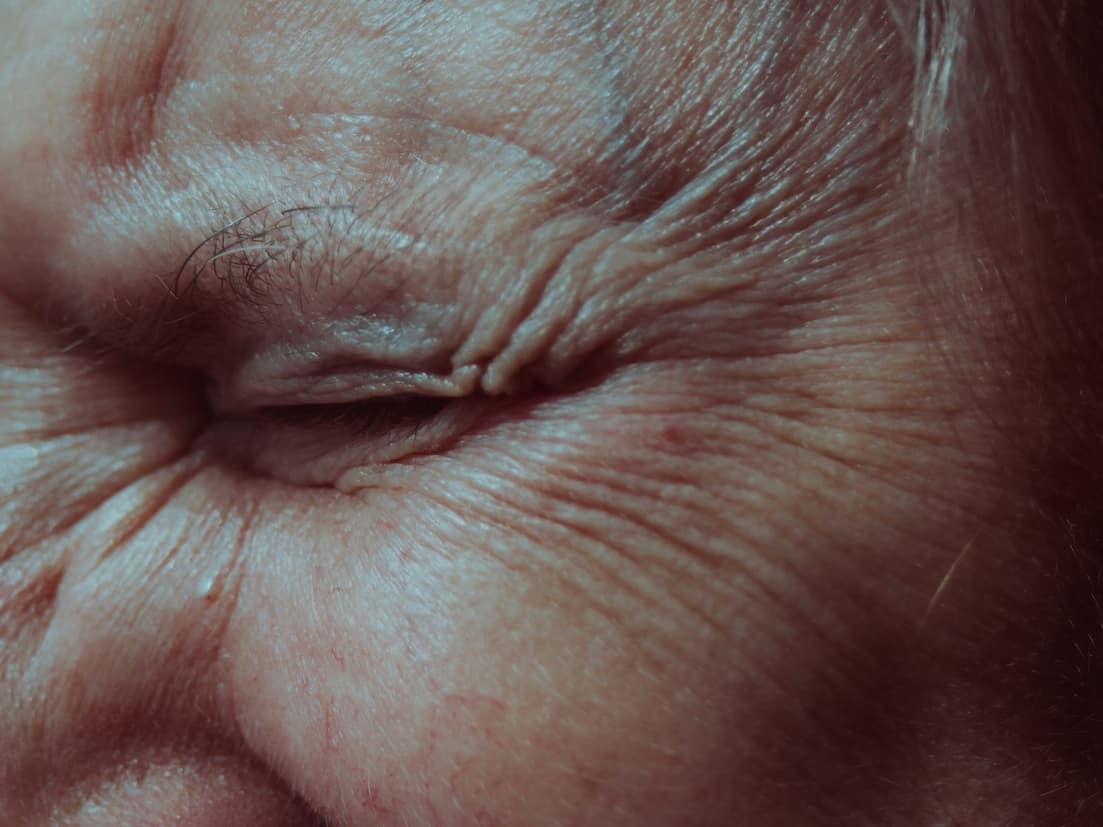
When people think about ageing skin, wrinkles are often the first concern that comes to mind. However, in many cases, volume loss plays a bigger role in how the face changes over time. Treating volume loss can help support facial structure and overall balance, which is why treatments such as dermal fillers and lip fillers are often considered as part of a personalised treatment plan.
Key Takeaways
- Volume loss is a major contributor to visible ageing, often more than wrinkles.
- Changes in facial structure can affect contour, shape, and skin support.
- Wrinkles and volume loss are different concerns and require different approaches.
- Addressing volume loss may improve overall facial balance and appearance.
- A consultation is essential to determine suitability and appropriate treatment options.
What Is Volume Loss in the Face?
Volume loss refers to the gradual reduction of fat, collagen, and structural support in the face over time.
As this happens, the face may appear:
- less full
- more hollow
- less defined in certain areas
- slightly sagged or tired
These changes are a natural part of ageing and are influenced by factors such as genetics, lifestyle, and collagen decline.
Why Volume Loss Changes How Your Face Looks
Volume provides structure to the face. When that support decreases, the skin has less underlying framework to sit on.
This can lead to:
- flattening of the cheeks
- hollowing under the eyes
- deeper lines around the mouth
- changes in jawline definition
Because of this, volume loss often affects the overall shape of the face, not just the skin surface.
Wrinkles vs Volume Loss: What’s the Difference?
Wrinkles and volume loss are often grouped together, but they are different concerns.
Wrinkles are usually caused by repeated muscle movement and skin changes over time. These are commonly addressed with treatments such as injectable wrinkle treatments.
Volume loss, on the other hand, relates to structural changes beneath the skin. It affects how the face is supported and how light reflects across facial features.
This is why treating wrinkles alone may not fully address the overall appearance of ageing.
Why Treating Volume Loss Can Have a Bigger Impact
When volume loss is addressed appropriately, it can help restore balance to the face rather than focusing on individual lines.
Supporting volume may help:
- improve facial proportions
- soften the appearance of deeper folds
- create a more refreshed overall look
- support areas where the skin has less structure
Because the face is viewed as a whole, small structural changes can sometimes have a broader visual impact than targeting isolated wrinkles.
How Volume Loss Links to Collagen Decline
Volume loss and collagen decline often happen together.
As collagen reduces over time, the skin becomes thinner and less elastic, while underlying fat pads may also shift or decrease. This combination can contribute to visible ageing changes.
Understanding this relationship is important when planning treatments. You can learn more about how this process develops in our guide to how collagen loss changes in your 20s, 30s, and 40s.
Where Volume Loss Is Most Common
Volume loss can occur in several areas of the face, including:
- cheeks
- under-eye area
- temples
- jawline
- around the mouth
Each area contributes differently to overall facial balance, which is why treatment plans are usually tailored rather than one-size-fits-all.
Can You Treat Volume Loss and Wrinkles Together?
Yes. In many cases, both concerns are addressed as part of a combined approach.
For example:
- wrinkle treatments may be used to soften expression lines
- volume-supporting treatments may help restore structure
- skin quality treatments may improve texture and glow
This layered approach is often more effective than focusing on a single concern.
Where Collagen-Stimulating Treatments Fit In
In addition to volume-focused treatments, some people explore collagen-stimulating options to support long-term skin quality and structure.
These approaches aim to improve skin firmness and support underlying structure gradually over time, rather than creating immediate volume.
If you are exploring longer-term skin strategies, you can learn more about when to start collagen banking.
What to Consider Before Treating Volume Loss
Before considering any treatment, it is important to assess:
- your current skin condition
- your facial structure
- your goals and expectations
- your comfort level with different treatment options
Not everyone will require the same approach, and some people may benefit from a combination of treatments depending on their concerns.
A consultation is always recommended to determine what is suitable.
Looking Beyond Wrinkles
While wrinkles are often the most visible sign of ageing, volume loss can play a larger role in how the face changes over time.
Understanding the difference between these concerns can help guide better treatment decisions and lead to more balanced, natural-looking results.If you are unsure where to start, the team at uSkin Clinics can assess your skin and guide you through suitable options based on your goals.




Similar Posts
Which Treatments Can Improve Skin Texture Over Time?

Improving skin texture is often less about finding a single treatment and more about supporting…
What Causes Skin Texture to Change as You Get Older?

Skin texture changes naturally as we age due to a combination of collagen loss, slower…
Which Stubborn Fat Areas Respond Best to Fat Freezing?
Fat freezing is most commonly used for localised areas of stubborn fat that remain despite…

Which Treatments Can Improve Skin Texture Over Time?
Improving skin texture is often less about finding a single treatment…

What Causes Skin Texture to Change as You Get Older?
Skin texture changes naturally as we age due to a combination…
Which Stubborn Fat Areas Respond Best to Fat Freezing?
Fat freezing is most commonly used for localised areas of stubborn…

Leave a Reply
You must be logged in to post a comment.