

What Causes Skin Texture to Change as You Get Older?
May 4, 2026
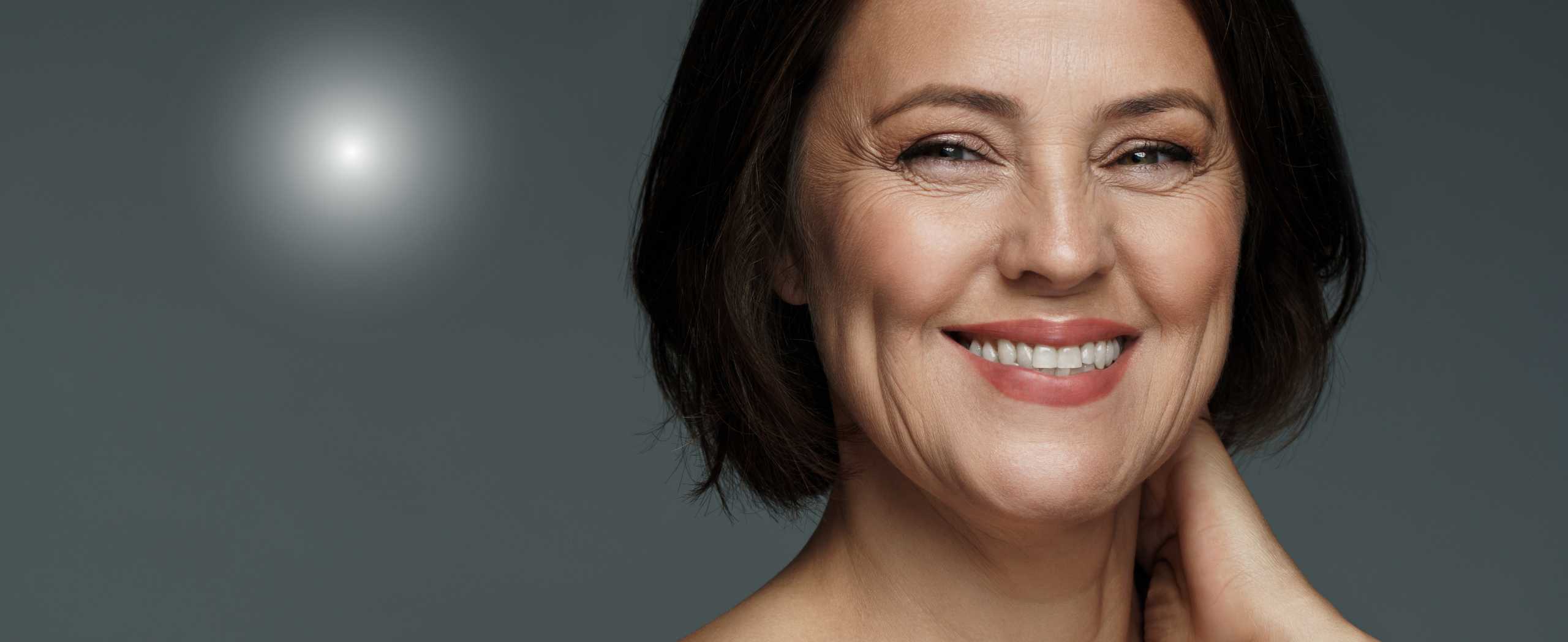
Skin texture changes naturally as we age due to a combination of collagen loss, slower skin renewal, environmental exposure, and changes in hydration and elasticity. Over time, skin may feel rougher, look less radiant, or develop uneven texture. Treatments such as collagen stimulating treatments are often explored by people who want to support long-term skin quality and address some of these changes.
Key Takeaways
- Skin texture naturally changes as collagen and elastin decline over time.
- Slower cell turnover can contribute to roughness and dullness.
- Sun exposure is one of the biggest contributors to texture changes.
- Hydration, hormones, and lifestyle factors can also affect skin quality.
- A personalised treatment plan may help support smoother, healthier-looking skin.
What Is Skin Texture?
Skin texture refers to how smooth, even, and refined the surface of the skin appears and feels.
Healthy skin texture is often associated with:
- smoothness
- even tone
- balanced hydration
- minimal visible pores
- a natural glow
As skin ages, these qualities can gradually change due to both internal and external factors.
Why Skin Texture Changes Over Time
Skin is constantly renewing itself, but this process slows with age.
When we are younger, skin cells are replaced more efficiently and collagen production is higher. As this natural cycle slows, the skin may become less smooth and less resilient.
This can contribute to:
- rough or uneven texture
- dullness
- fine lines
- visible pores
- reduced skin elasticity
These changes tend to happen gradually rather than all at once.
The Role of Collagen Loss
Collagen is one of the most important proteins responsible for skin structure and support.
As collagen production declines:
- skin becomes thinner
- elasticity reduces
- texture may feel less smooth
- fine lines become more visible
This is one reason why skin texture and skin quality are often closely linked to collagen health.
If you would like a deeper understanding of how collagen changes over time, you can read our guide on how collagen loss changes in your 20s, 30s, and 40s.
Slower Cell Turnover and Skin Renewal
Young skin naturally sheds and replaces old cells more quickly.
As we age, this process slows down, which can lead to a build-up of older skin cells on the surface.
This may contribute to:
- roughness
- dull appearance
- uneven tone
- less reflective skin
The result is often skin that looks tired even when it is otherwise healthy.
How Sun Exposure Affects Skin Texture
One of the biggest contributors to texture changes is cumulative sun exposure.
Over time, UV exposure can affect:
- collagen levels
- elastin fibres
- pigmentation
- skin thickness
This can lead to:
- rough texture
- pigmentation changes
- uneven tone
- reduced skin firmness
Because sun exposure accumulates over years, its effects often become more noticeable with age.
The Impact of Hydration and Skin Barrier Function
Hydration plays an important role in how skin looks and feels.
As skin ages, it may hold moisture less effectively, making texture concerns more noticeable.
When skin becomes dehydrated, people often notice:
- roughness
- flaking
- increased visibility of fine lines
- reduced glow
Supporting hydration is often an important part of maintaining skin quality.
Hormones and Skin Texture Changes
Hormonal changes can also influence skin texture.
Changes associated with ageing, including menopause, can affect:
- collagen production
- skin thickness
- hydration levels
- elasticity
This is one reason why some people notice more significant changes in skin texture during certain stages of life.
Can Lifestyle Factors Affect Skin Texture?
Yes.
Several lifestyle factors can influence how skin ages and how texture changes over time, including:
- smoking
- chronic stress
- poor sleep quality
- inadequate hydration
- inconsistent skincare habits
While ageing cannot be stopped, these factors can influence how quickly texture changes become noticeable.
Can Skin Texture Be Improved?
Many people explore treatments and skincare approaches to support smoother, healthier-looking skin.
Depending on individual concerns, options may include:
- Skin Needling
- Skin Boosters
- chemical peels
- laser treatments
- collagen-supporting treatment plans
The most suitable option depends on your skin condition, goals, and suitability.
Why Skin Texture Is Becoming a Bigger Focus Than Wrinkles
In recent years, many people have shifted their focus from treating individual wrinkles to improving overall skin quality.
This includes concerns such as:
- texture
- glow
- hydration
- elasticity
- skin longevity
This trend is one reason concepts such as collagen banking have become more popular. If you are interested in long-term skin quality, you can learn more in our guide on when to start collagen banking.
Understanding Why Skin Texture Changes
Skin texture changes are a normal part of ageing, influenced by collagen decline, slower skin renewal, sun exposure, hydration, and lifestyle factors.
While these changes are natural, understanding what causes them can help you make informed decisions about skincare, maintenance, and treatment options.If you would like guidance on improving skin quality or supporting long-term skin health, the team at uSkin Clinics can help you explore suitable options during a personalised consultation.


Similar Posts
Which Treatments Can Improve Skin Texture Over Time?

Improving skin texture is often less about finding a single treatment and more about supporting…
What Causes Skin Texture to Change as You Get Older?
Skin texture changes naturally as we age due to a combination of collagen loss, slower…
Which Stubborn Fat Areas Respond Best to Fat Freezing?
Fat freezing is most commonly used for localised areas of stubborn fat that remain despite…

Which Treatments Can Improve Skin Texture Over Time?
Improving skin texture is often less about finding a single treatment…
Which Stubborn Fat Areas Respond Best to Fat Freezing?
Fat freezing is most commonly used for localised areas of stubborn…

Can Fat Freezing Replace Exercise for Stubborn Fat?
Fat freezing and exercise are often discussed together, but they are…

Leave a Reply
You must be logged in to post a comment.